
1. The Rise of Math Learning Choices for Today’s Parents
Today’s parents have more choices than ever when it comes to helping their children learn math. From colorful apps and games on tablets to structured programs taught by trained instructors, math education has moved far beyond textbooks. One popular option many families turn to is the digital math tool, which promises quick learning through screens, animations, and instant feedback.
At the same time, traditional yet powerful methods like abacus learning are making a strong comeback. Programs such as UCMAS USA have modernized abacus education by combining hands-on tools with mental math techniques. Parents are now comparing screen-based learning with skill-based systems that focus on brain development, concentration, and accuracy.
Understanding the difference between these two approaches is important. While both aim to improve math skills, they work in very different ways. This blog breaks down how abacus learning compares to digital math tools, helping parents choose what truly supports long-term learning.
2. How Digital Math Tools Work
A digital math tool usually comes in the form of an app, website, or online game. These tools use visuals, sounds, and interactive elements to teach concepts like addition, subtraction, multiplication, and division. Children often enjoy these tools because they feel like games rather than lessons.
One major advantage of digital tools is accessibility. Kids can practice anytime, anywhere, as long as they have a device and internet connection. Many apps also adapt to a child’s level, offering easier or harder questions based on performance. This flexibility makes digital tools attractive to busy parents.
However, digital tools mostly focus on answering questions rather than building deep thinking skills. Children may rely on visual hints, calculators, or trial-and-error methods. While they may get faster at solving problems on-screen, this speed doesn’t always translate into strong mental math or real-life problem-solving skills.
3. What Makes Abacus Learning Different
Abacus learning uses a physical tool to teach math through movement, visualization, and repetition. Children start by using the abacus with their hands and gradually move toward mental calculations by imagining the abacus in their mind. This method activates both sides of the brain.
Unlike digital tools, abacus learning is not about tapping answers. It is about understanding numbers deeply. Students learn how numbers are formed, broken down, and calculated step by step. This strong foundation helps them solve complex problems without shortcuts.
Programs like abacus classes offered by UCMAS USA focus on accuracy, speed, and confidence. Over time, children no longer need the physical abacus. They perform calculations mentally, often faster than calculators, while improving focus and memory at the same time.

4. Screen Time vs Skill Time
One concern many parents have today is excessive screen time. Digital math tools, while educational, still require children to spend long hours on devices. Too much screen exposure can affect attention span, sleep patterns, and eye health.
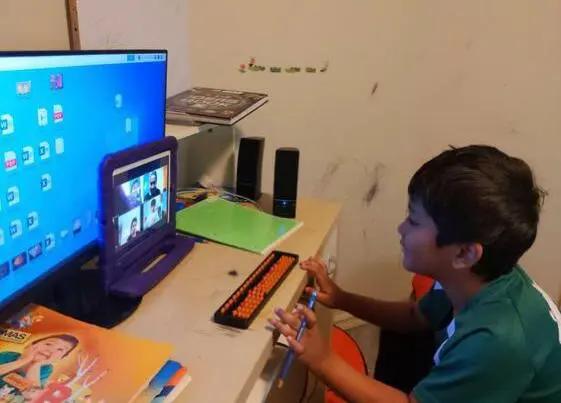
Abacus learning offers a refreshing balance. It is hands-on and interactive without relying heavily on screens. Even when parents choose abacus classes online, sessions are guided by instructors and involve physical practice, not passive screen watching.
Skill time matters more than screen time. Abacus learning trains the brain to think faster and sharper. Instead of swiping or guessing, children actively use their mind and hands. This builds discipline, patience, and strong learning habits that last beyond math.
5. Long-Term Learning Outcomes
Digital tools are excellent for short-term engagement. They keep children interested and motivated through rewards, levels, and animations. However, once the app is removed, the learning often stops. Skills may fade without constant practice on the same platform.
Abacus learning, on the other hand, creates lifelong skills. Children trained in abacus develop strong mental math abilities that stay with them for years. They also show improvement in concentration, listening skills, and academic confidence across subjects.
Many parents notice that children enrolled in abacus programs perform better in school math exams. The structured approach of abacus classes online or in-person classes ensures consistency, guidance, and measurable progress over time.
6. Parental Involvement and Guidance
Digital math tools usually require minimal parental involvement. Parents download the app, set limits, and let children explore on their own. While this is convenient, it also means limited insight into how the child is actually learning.
Abacus programs encourage active involvement. Parents receive regular updates, progress reports, and feedback from instructors. This helps parents understand their child’s strengths and areas for improvement.
With abacus learning, especially through structured abacus classes, parents become partners in the learning journey. This shared involvement builds motivation and creates a positive learning environment at home.

7. Choosing the Right Approach for Your Child
Every child is different. Some enjoy interactive screens, while others learn better through hands-on practice. Digital tools can be a good supplement for practice, especially for revision and fun learning moments.
However, if parents are looking for deep understanding, mental agility, and strong foundational skills, abacus learning stands out. It focuses not just on math but on overall brain development, which digital tools rarely address fully.
Many families choose a balanced approach—using a digital math tool occasionally while relying on structured abacus programs for core learning. This combination ensures both engagement and long-term skill building.
Conclusion: Why UCMAS USA Is a Smart Choice for Parents
When comparing abacus learning and digital math tools, the difference is clear. Digital tools offer convenience and fun, but abacus learning builds lasting skills. UCMAS USA is a globally trusted abacus and mental math program designed to help children develop strong calculation skills, focus, and confidence.
UCMAS USA offers structured programs led by trained instructors, available through in-center sessions and abacus classes online. The program goes beyond math by improving memory, concentration, and overall academic performance. With a proven curriculum and years of experience, UCMAS supports children at every step of their learning journey.
If you want your child to move beyond screens and build real mental strength, now is the time to act. Enroll your child in UCMAS USA today and give them the advantage of powerful mental math skills that last a lifetime.
Book a free demo class and see the difference abacus learning can make.

Write a comment ...